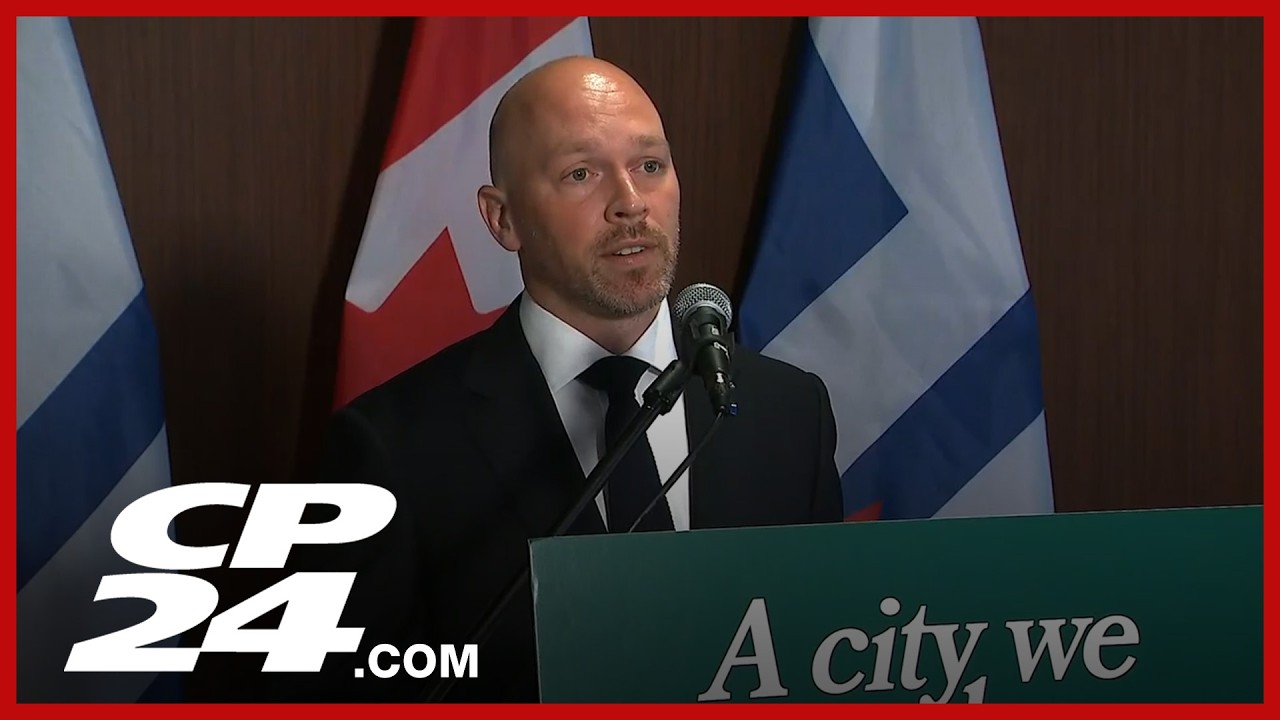
In a heartfelt address to the citizens of Toronto, mayoral candidate Brad Bradford confronted the escalating issue of violence in the city, particularly following a tragic weekend during which numerous individuals were shot, including fatalities. Speaking as a father, husband, and longtime resident, Bradford expressed a profound sense of urgency, challenging both the statistics often cited by authorities and the notion that Toronto is a “safe” city amidst growing public fear.
“Families are the priority,” Bradford stated, emphasizing the need for change in leadership and policy to ensure the safety of residents. The mayoral hopeful shared his experiences over the weekend, where he engaged with families grappling with anxiety about attending local events like the Taste of Danforth and Caribana. Their fears stemmed from recent violence, particularly a mass shooting at a popular street festival which left one person critically injured and sent hundreds fleeing in panic.
The gravity of the situation is not lost on Bradford. In his address, he articulated how data points and statistics fail to capture the real emotional landscape of a community living under the shadow of violence. “Toronto doesn’t live in a spreadsheet. Residents don’t check a dashboard before stepping out with their children,” he noted. Instead, they question whether they feel safe—a sentiment echoed by countless individuals who now hesitate to participate in community gatherings.
Bradford’s words underscore a growing discontent with the status quo. He identified a concerning trend at City Hall where discussions of public safety often boil down to mere statistics. “No more weekends like the one we just had,” he asserted, vowing that the city must undergo essential changes to improve the safety of festivals and public spaces. He denounced the idea of cancelling events as a solution, stating that bowing to fear compromises the city’s cultural fabric.
In his call to action, Bradford proposed a collaborative approach to public safety that involves engaging not only local law enforcement but also provincial and federal authorities. He argued that proactive leadership means more than just responding to crises; it demands a relentless pursuit of solutions, including reforms that prioritize community safety.
Moreover, he lauded the bravery of police officers who responded to the chaos, distinguishing between their commendable actions and the more troubling responses from political leadership. He criticized the latter for hiding behind statistical reports instead of genuinely addressing public concerns. “It ought not to take a tragedy for the mayor to advocate for these issues,” Bradford remarked, highlighting a perceived lack of proactive governance in addressing community safety.
This recognition of the gap between public perception and political discourse is crucial. When families express fear regarding their safety, ignoring these sentiments can lead to long-term damage to community trust and engagement. Bradford’s insistence on listening to the people’s feelings rather than dismissing them as mere feelings calls for a paradigm shift in municipal leadership.
As a potential future mayor, he raised the question of whether City Hall will prioritize public safety through actionable changes rather than continuing the status quo. In response to queries regarding how he would confront these challenges, Bradford affirmed his commitment to actively participating in the police board—a role that his opponent, Mayor Chow, has opted out of. He believes that engagement at this level is essential in shaping the policies that govern community safety, particularly during large public events.
In conclusion, Bradford’s impassioned address reflects a profound understanding of the pressing challenges facing Toronto. He brings attention to the need for empathetic leadership that prioritizes the genuine concerns of residents. If elected, his approach suggests a commitment to not merely maintaining safety but enriching the community fabric through vibrant, safe public gatherings. In a city where fear can alter the rhythm of life, Bradford’s promise of advocacy and action might resonate deeply with many Torontonians seeking meaningful change.